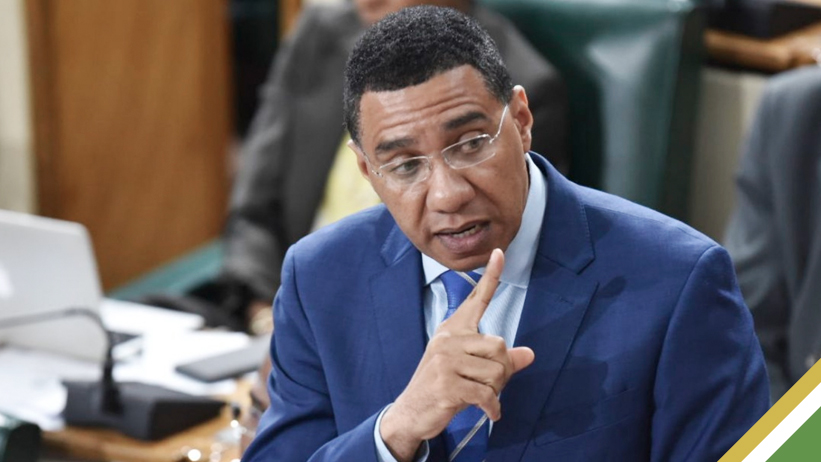







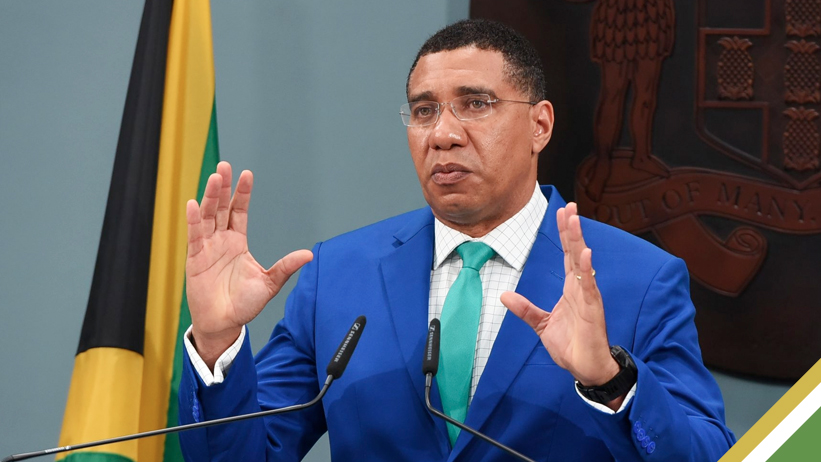

Prime Minister Dr. Andrew Holness says Jamaica must dramatically expand affordable housing to make squatting “uneconomical” and slow the spread of informal communities that he argues are hurting national productivity and straining public resources. Speaking during the official groundbreaking ceremony for the Wick Hall Estate housing development in Spanish Town, St Catherine, Holness said the country’s estimated 150,000-unit housing deficit cannot be solved through enforcement alone and called on private developers to build more homes that ordinary Jamaicans can afford.
According to Holness, Jamaica’s growing number of informal settlements continues to create major economic and social challenges, with many communities being developed without proper roads, drainage systems, water access, transportation routes or garbage collection services. The Prime Minister argued that these conditions are not only difficult for residents, but are also reducing worker productivity across the country.
“If you as a worker have to get up before daylight, catch water to do your domestic chores, and then walk from up the hill, come down in mud to reach the road, change your shoes by the time you reach, stand up and wait for intermittent transportation, by the time you reach work, you’re cross, angry and miserable,” Holness said. He added that organised housing developments located near infrastructure and economic activity are critical to improving living standards and national growth.
The Prime Minister also warned that squatting and illegal land occupation have evolved into organised patterns of settlement, with persons occupying land, subdividing lots and constructing homes without formal planning approval. While acknowledging that many Jamaicans involved are simply searching for affordable places to live, Holness maintained that the Government’s long-term strategy must focus on making formal housing more accessible and affordable for working-class citizens.
Holness pointed to the Wick Hall Estate project, being developed by Altruhomes, as the type of model community he hopes to see replicated across Jamaica. The 221-home development will include green spaces, recreational areas and energy-efficient features such as solar-ready homes and solar water heaters. Meanwhile, the Government says it remains committed to delivering roughly 70,000 housing solutions through the National Housing Trust and the Housing Agency of Jamaica as it works to reduce the country’s widening housing deficit.
View this post on Instagram