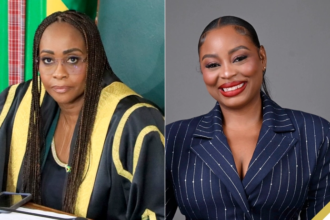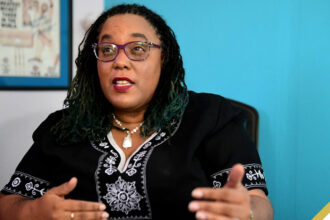





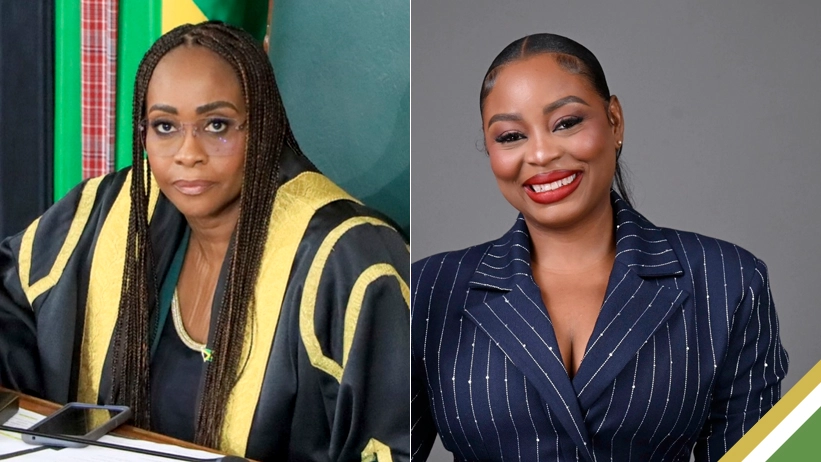

A heated debate has ignited across Jamaica’s social media landscape after House Speaker Juliet Holness stopped Opposition Spokesperson on the Creative Industries, Culture and Information Nekeisha Burchell from delivering part of her maiden Sectoral Debate presentation in Jamaican patois inside Parliament. The moment, which unfolded in Gordon House earlier this week, has since sparked an intense national conversation about identity, education, colonial influence and whether patois deserves a place in Jamaica’s highest political institutions.
Burchell, who was attempting to incorporate Jamaican dialect into her contribution, was reminded by the Speaker of the House’s standing orders requiring Standard English during parliamentary proceedings. Rather than escalating tensions, the Opposition MP calmly complied, stating: “Madam Speaker, perhaps I should abandon that attempt to use our local language because I have been reminded of the linguistic conventions of this honourable House.” Her response quickly earned praise online, even from critics who agreed with the ruling. “This is just classy,” one social media user wrote, applauding Burchell’s professionalism and composure during the exchange.
However, the wider public reaction has been sharply divided. Supporters of the Speaker argued that Parliament is a formal institution governed by rules and that Jamaican students should prioritise literacy and mastery of Standard English before pushing for patois in official spaces. One commenter referenced Barbados’ reported literacy rate while arguing that Jamaica should focus on educational advancement rather than “dumbing down” the country. Others, meanwhile, blasted the decision as elitist and disconnected from Jamaican reality, insisting that patois is the language spoken daily by the majority of Jamaicans. “Self hatred is a heck of a thing!” one user wrote, while another argued that Jamaicans are still being pressured to “speak the universal language your masters taught”.
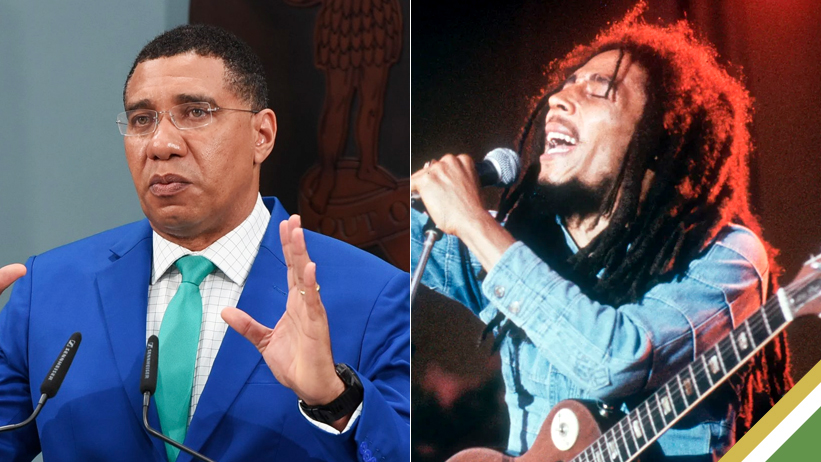
The controversy has now evolved far beyond a parliamentary interruption, becoming one of the most talked-about cultural debates online this week. With conversations around language, class and national identity dominating timelines, many Jamaicans are now questioning whether the country’s native dialect should remain confined to music, theatre and street culture, or finally be embraced within the halls of political power.
View this post on Instagram