







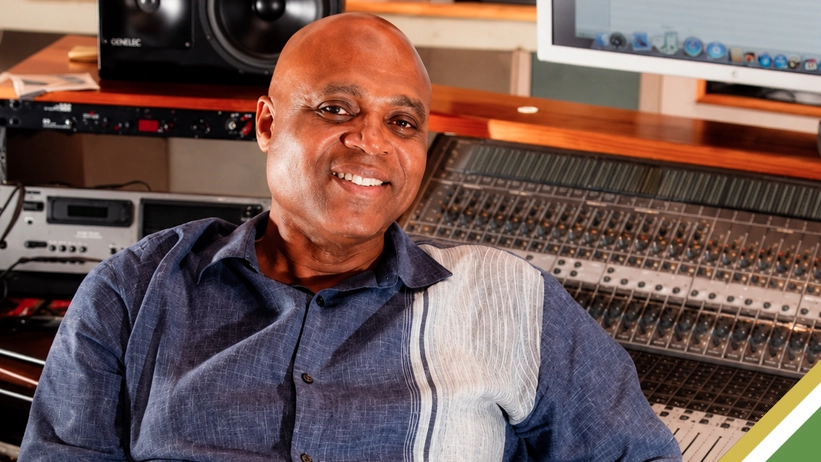

Donovan Germaine has mounted a forceful defence of Penthouse Records’ legacy in the wake of comments by veteran deejay Cutty Ranks, claiming that the artiste left the label with two mortgage-free houses and a car. Speaking on Yardstyle Live, the Penthouse founder said he felt compelled to respond after hearing what he considered a selective account of Cutty Ranks’ history with the influential Jamaican label. “I had to come here and set the record straight,” Germaine declared, explaining that he would normally not have engaged publicly but felt the need to clarify what he described as inaccuracies.
Germaine’s response centred on his belief that Cutty Ranks’ contribution to Penthouse’s success cannot be separated from the opportunities and support he received there. He recalled discovering the deejay after Cutty arrived at Penthouse on a bicycle and said he personally became involved in helping him establish basic financial and administrative skills, including opening a bank account and teaching him to sign his name. Germaine also rejected any suggestion that Cutty alone was responsible for some of his biggest records, arguing that collaborations with artistes such as Marcia Griffiths and Beres Hammond involved the contributions of multiple performers and the wider Penthouse team.
The veteran producer also took issue with what he described as an overly individualistic approach to credit in music. Germaine said he would never claim sole responsibility for Penthouse’s achievements, pointing instead to producers, engineers and musicians including Tony Kelly, Dave Kelly and Stephen Stanley. “I would always give credit,” he said, stressing that successful records are collective creations rather than the work of one artiste or producer.
Beyond the dispute, Germaine used the interview to defend Penthouse’s broader philosophy of artist development. He said the label deliberately invested in young and relatively unknown artistes, including Wayne Wonder, Tony Rebel, Buju Banton and Cutty Ranks, because he believed in giving others the same opportunities he had received during his own development. He also argued that financial sustainability was a major part of his management approach, noting that “this industry don’t have any pension” and claiming that the artistes featured in a historic Penthouse photograph had, with the exception of Marcia Griffiths, homes that were mortgage-free.
Germaine’s intervention therefore goes beyond a personal disagreement with Cutty Ranks. It is also a defence of the Penthouse model and its place in Jamaican music history, with the veteran producer insisting that the label’s contribution should be measured not only by hit records but by the opportunities, collaborations and long-term development it provided to artistes. His claims about Cutty Ranks’ property and finances remain statements made by Germaine and are not independently verified in the interview transcript, leaving the door open for further response as the decades-old Penthouse story enters a new chapter.
View this post on Instagram