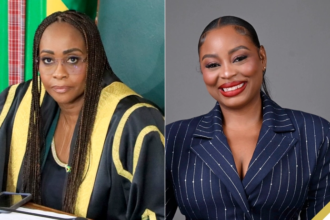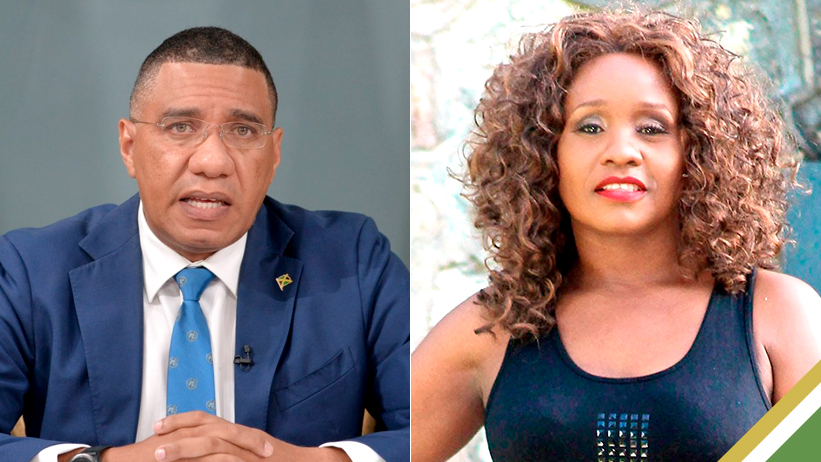





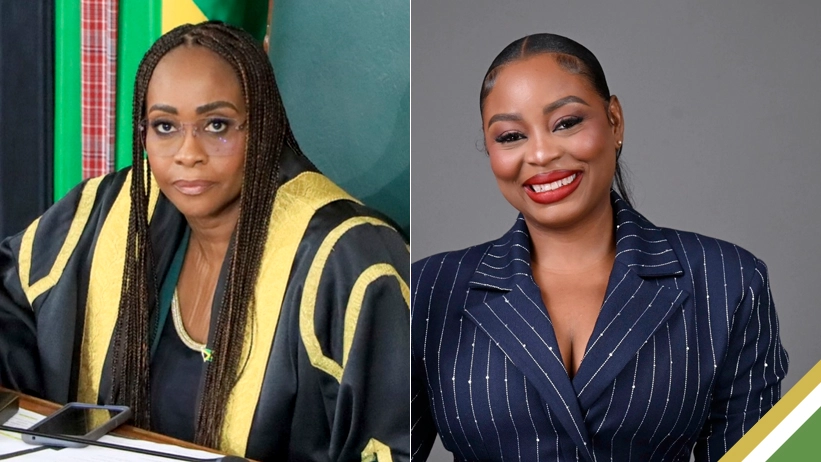

The political uproar continues to intensify in Jamaica after Member of Parliament for South St James, Nekeisha Burchell, refused to apologise for comments comparing Speaker of the House Juliet Holness’ leadership style to that of a “controlling wife.” The remarks, made during an interview with The FIX podcast, have triggered sharp condemnation from senior government ministers and ignited a wider national debate on leadership, gender, and parliamentary conduct.
Burchell has stood firm, insisting her comments were not a personal attack on the Speaker, but rather an observation about authority and order within Parliament. “It wasn’t a personal attack,” she said, adding that she was drawing a distinction between maintaining discipline in the House and exerting control over elected representatives. “There is a difference between maintaining order in Parliament and controlling. Control has no place in Parliament where adults are elected by their constituents and sent to represent them as equals.”
She further defended her analogy, stating that her comments were taken out of context and expanded upon in conversation to illustrate different forms of authority. “I made two analogies in my interview,” Burchell explained. “One can control in the way a schoolmarm controls, or how control can exist at home with your husband, your children, whomever. That was the expansion of the analogy.”
Her position has been strongly rejected by government MPs, including Foreign Affairs Minister Kamina Johnson Smith, Finance Minister Fayval Williams, and State Minister Juliet Cuthbert-Flynn, who have all described the language as inappropriate and damaging, particularly towards women in leadership. They have collectively called for Burchell to withdraw her remarks and issue an apology.
Burchell, however, has doubled down, insisting she will not be silenced and pushing back against what she described as a coordinated political response. “When I see the orchestra arranged with three women from the government bench taking the time away from their busy portfolios to be used as pawns in a written script written mostly, maybe by their male directors, to come out and speak out on something that they didn’t even watch the full clip… I’m not sure what Juliet Cuthbert does,” she said, while alleging that the reaction appeared politically scripted and driven by others.
The controversy has now expanded beyond Parliament, fuelling national conversation around political expression, gendered language, and the boundaries of criticism within Jamaica’s democratic institutions, with both sides holding firm as pressure continues to mount.
View this post on Instagram