






Jamaica is weighing sweeping financial incentives for families as the Government moves to tackle what officials are now describing as a “present crisis” in the nation’s declining birth rate. Under a proposed National Fertility and Responsible Parenting Strategy, measures such as child tax credits, monthly child allowances and even mortgage support for young parents are being considered as part of a bold demographic reset.
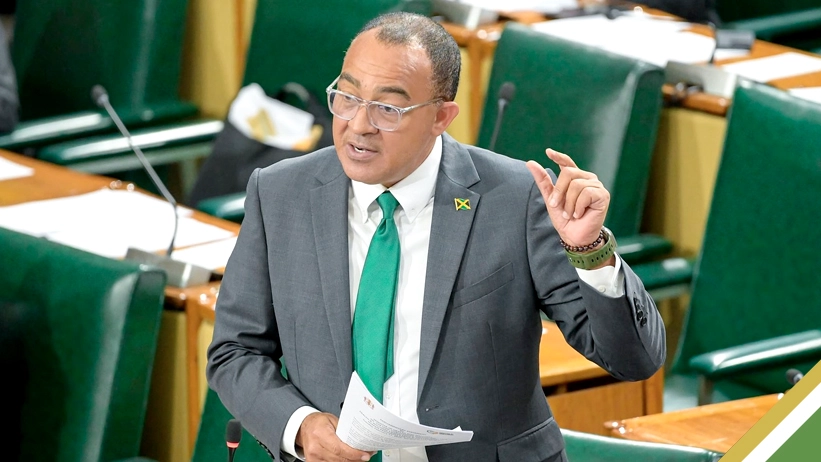
Health Minister Christopher Tufton outlined the plans during his Sectoral Presentation to Parliament, explaining that a multi-stakeholder National Taskforce will be formed to guide national consultations and shape policy over the next 12 months. The strategy is expected to run through to 2030, with government officials warning that Jamaica’s fertility rate has dropped below replacement level, raising long-term concerns about workforce sustainability and economic stability.
At the heart of the proposal is a five-pillar framework designed to make family life more affordable and structurally supported. Alongside financial incentives, the plan includes expanded maternity, paternity and shared parental leave, subsidised childcare services, strengthened reproductive and postnatal healthcare, and wider parenting education programmes. Tufton stressed that the initiative is not about encouraging births for statistical reasons, but about creating conditions where family formation is “affordable, structurally supported, and celebrated.”
He further described the issue as urgent rather than theoretical, adding that international evidence suggests long-term, integrated policy environments are more effective than short-term incentives alone. As Jamaica prepares for consultations across government, academia and civil society, the conversation around family, economics and national survival is set to intensify in the months ahead.
View this post on Instagram