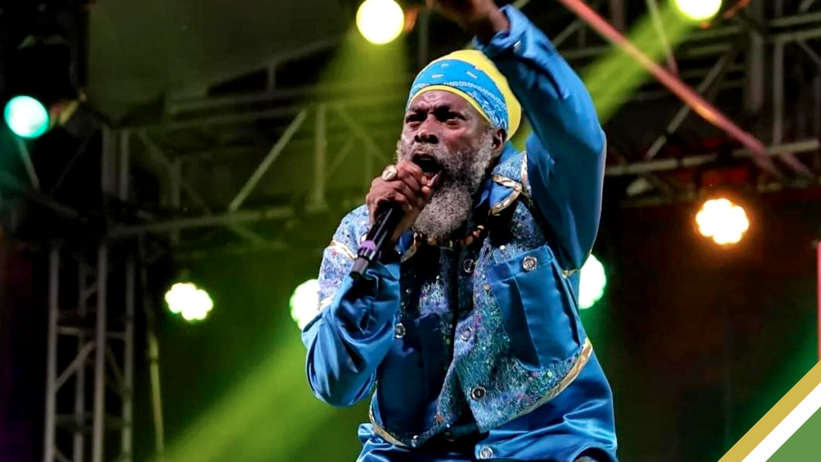


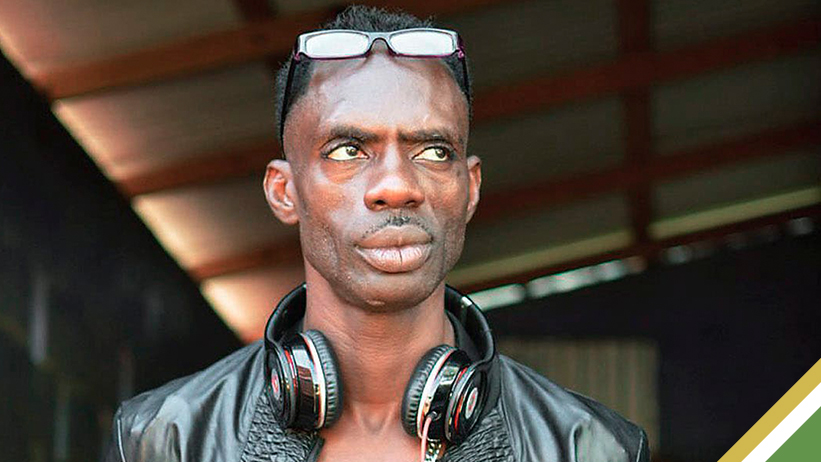

Dancehall icon Desmond ‘Ninjaman’ Ballentine, his son Janiel Ballentine and co-accused Dennis Clayton are asking Jamaica’s Court of Appeal to overturn their murder convictions, arguing that legal errors, weak identification evidence, constitutional breaches and flawed jury directions deprived them of fair trials. The high-profile appeal, now before Justices David Fraser, Lorna Shelly Williams and Marcia Dunbar-Green, challenges both the convictions and the life sentences imposed in 2017 for the 2009 murder of Ricardo Johnson and related shooting with intent charges.
Representing Ninjaman, attorney Robert Fletcher argued that the case “should never have been tried” because the more than eight-year delay before trial caused what he described as “presumptive prejudice”, claiming key defence witnesses died before they could testify. Fletcher told the court that the delay prevented his client from fully presenting his defence and that the resulting prejudice could not have been remedied by directions given to the jury. He also argued that the trial judge should have granted an application to stay the proceedings on the grounds of abuse of process, contending that the delay breached Ninjaman’s constitutional right to a fair trial under Jamaica’s Charter of Fundamental Rights and Freedoms.
Attorney Russell Stewart mounted a separate challenge to the reliability of the prosecution’s identification evidence, submitting that the conviction was unsafe. He argued that although several witnesses testified, the Crown’s case hinged largely on the evidence of one male and one female witness whose accounts differed on key aspects of the incident. Stewart questioned whether the male witness’s evidence amounted to true recognition, noting that while he claimed to have known Ninjaman for about 17 years and saw him several times each week, he admitted he had never spoken to him. Stewart also highlighted inconsistencies between the witnesses’ descriptions of how the fatal confrontation unfolded, arguing that the jury should have received more detailed guidance when assessing the identification evidence. He further challenged the sentence imposed on Ninjaman, maintaining that the proper sentencing principles were not applied.
Janiel Ballentine’s legal team also attacked the prosecution’s case. King’s Counsel Peter Champagnie described the visual and voice identification evidence against his client as “woefully inadequate”, arguing that the prosecution’s main witness had only a fleeting opportunity to observe him while her attention was divided. Attorney Samoi Campbell further submitted that the trial judge misdirected the jury on the law of joint enterprise by allowing foresight to operate as an alternative to intention, contrary to the landmark R v Jogee decision. Campbell argued that no witness identified who fired the fatal shot and that the evidence failed to establish that Janiel shared the intention required for a murder conviction. She also contended that the sentencing judge failed to properly consider mitigating factors, including his lack of previous convictions, favourable social enquiry report, lengthy pre-trial custody and trial delay.
Meanwhile, attorney Zara Lewis urged the Court of Appeal to quash Dennis Clayton’s conviction, arguing that prosecutors failed to prove he shared the intention necessary for murder. Lewis maintained that although Clayton was linked to earlier confrontations involving stones and other weapons, there was no evidence that he knew a firearm would be used or that he participated in any plan to kill Johnson. She also challenged the trial judge’s directions on common design and raised an alleged disclosure issue involving a prosecution witness who had been placed in the witness protection programme. The appeal continues, with Stewart expected to complete his submissions when the hearing resumes.
View this post on Instagram