


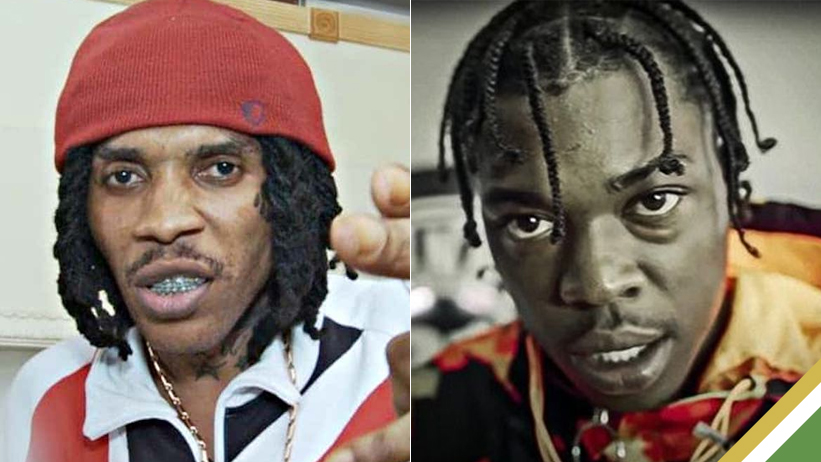





Grammy-winning reggae icon Buju Banton has made a passionate call to protect dancehall’s identity as he prepares to release his highly anticipated new album, Too Too Bad. Speaking with VIBE ahead of the project’s launch, the legendary Jamaican entertainer dismissed the increasingly popular “trap dancehall” label, insisting that while younger artistes should be free to innovate, the genre itself must never lose sight of its roots. “You cannot trap dancehall,” Buju declared. “It’s dancehall, but it’s their way of doing it.”
For Buju, dancehall is far more than a style of music. He describes it as a cultural movement born from the lived experiences of Jamaica’s inner-city communities, where hardship, resilience and creativity were transformed into songs that resonated far beyond the island’s shores. Reflecting on the genre’s origins, he explained that the pioneers “put melodies to their pain and paint a picture that we embrace through the passage of time.” He also urged the industry to preserve the music’s foundation, warning against forgetting the classic sounds that helped shape dancehall’s global identity. “We must not forget where we’re coming from,” he said, pointing to timeless riddims such as Real Rock, Drum Song, Shank I Shek and Diseases as the essence of Jamaica’s musical heritage.
The veteran deejay also pushed back against attempts to redefine the genre, arguing that modern sounds should still be recognised as dancehall rather than given new labels. While acknowledging that today’s producers and artistes are expressing themselves through a different lens, he stressed that innovation and tradition can coexist. “We have a very new generation of musicians,” he noted. “We have to respect that as well.” However, he maintained that attaching the word “trap” to dancehall misunderstands the music’s purpose. “Our music comes to liberate, not to trap our people. We come to free them, whether musically, rhythmically or otherwise.”
Buju’s latest project reflects that philosophy. Too Too Bad revisits dancehall’s foundations while embracing contemporary production, with previously released singles “Butterflies” and “X-Rated” spanning the iconic Real Rock riddim and the modern “WYFL (Weh You Feel Like)” riddim. The album arrives as dancehall continues to enjoy renewed international momentum, with Jamaican artistes selling out major arenas and attracting larger global audiences than ever before. Even so, Buju believes the next challenge is raising the standard of live presentation and production so the culture can continue evolving without sacrificing its authenticity.
Looking back on the genre’s golden years, Buju also reflected on the spirit of the 1990s, describing the era as one defined by unity, camaraderie and a shared cultural mission. While he acknowledged that today’s industry operates differently, he remains optimistic about dancehall’s future, provided its history is respected. As Too Too Bad officially arrives, Buju Banton is making it clear that preserving dancehall’s legacy is just as important as pushing its sound forward.
View this post on Instagram