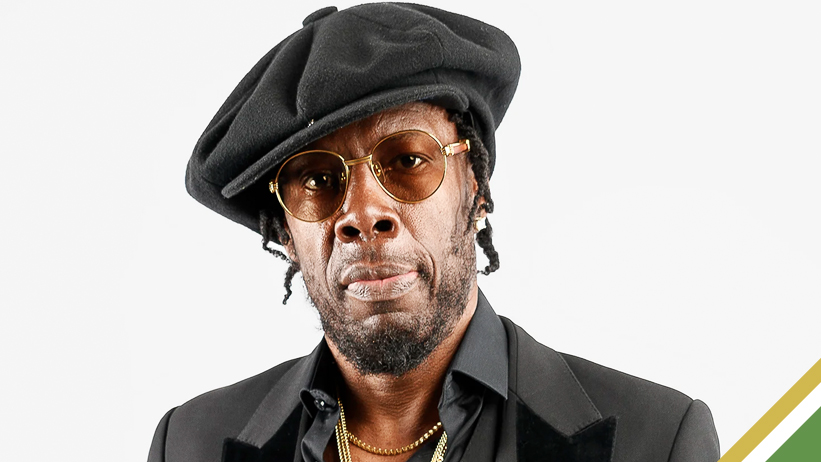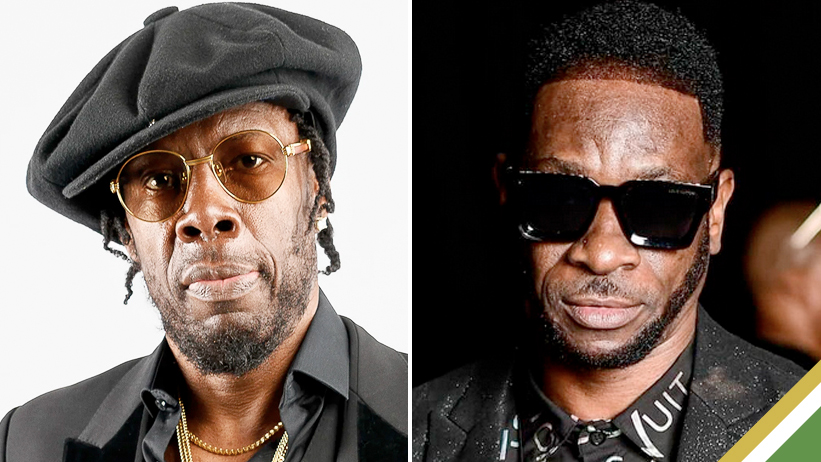




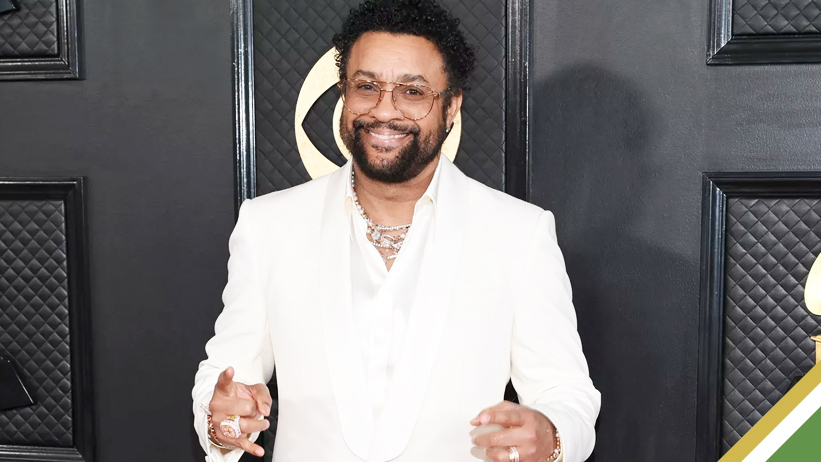
Shaggy has weighed into dancehall’s long-running debate over its “kings”, arguing that the genre has never had a single ruler. Speaking to Road Block Radio, the Jamaican superstar named Beenie Man, Vybz Kartel, Shabba Ranks, Sean Paul and himself among artistes who achieved major influence in different eras, while claiming that he remains the second-largest streaming artiste in reggae and dancehall, with Sean Paul currently the only person he places above himself.
“There’s no one king,” Shaggy said, explaining that an artiste’s influence can be tied to a particular period when the world stopped and took notice. He pointed to Ninja Man as an example of the enormous cultural impact an artiste could have in his era, before naming Beenie Man, Vybz Kartel, Shabba Ranks, Sean Paul and himself as kings who made significant contributions at different points in dancehall’s evolution.
Shaggy also reflected on the international reach of reggae and dancehall, identifying himself, Sean Paul and Bob Marley as names that audiences consistently recognise across markets including Europe, Africa and Southeast Asia. “Bob and I go back and forth,” he said when discussing streaming, while acknowledging that Sean Paul has “really cemented himself” internationally. Shaggy said the trio’s music has a universal quality that transcends geography.
That global reach, according to Shaggy, did not come easily. He recalled entering the industry when reggae and dancehall had little mainstream radio infrastructure behind them, noting that even major station networks had no dedicated reggae stations. Without the budgets afforded to pop and urban artistes, he said he learned to compete by working “10 times harder” with less money and less sleep, while making his records “10 times better” simply to reach a level playing field.
His comments also underscore how much the international landscape has changed. Shaggy recalled a period when dancehall and reggae were highly influential in New York, but believes the internet has made Jamaican culture even more accessible by allowing audiences worldwide to engage with the music directly.
For Shaggy, the debate over dancehall’s crown is therefore less about one definitive winner and more about the generations of artistes who helped carry Jamaican music to the world. From the pioneers who shaped the culture to the stars driving its modern global presence, he argues that dancehall’s history is big enough to have produced more than one king.
View this post on Instagram