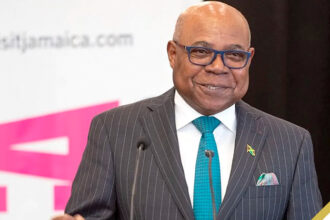





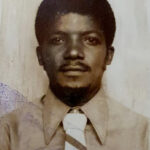


Jamaica has lost one of its most influential figures in entertainment and hospitality, as Robert “Ducksie” Russell, co-founder of the iconic Reggae Sumfest festival and owner of Pier One in Montego Bay, passed away at 76. Russell’s death at Hospiten Hospital in Rose Hall has sent shockwaves through Montego Bay, a city where he resided for four decades and left an indelible mark. Reggae Sumfest, dubbed “the greatest reggae show on earth,” has been a cornerstone of Jamaican culture, cementing Montego Bay as the “reggae capital” of the world. As Minister of Tourism Edmund Bartlett noted, “He was the mastermind behind Reggae Sumfest, which placed Montego Bay on the international musical stage.”
Beyond his achievements in music, Russell’s contributions to tourism and hospitality were monumental. Pier One, his waterfront eatery in Montego Bay, became a staple in Jamaica’s vibrant culinary and nightlife scenes. His tenure as chairman of the Tourism Product Development Company (TPDCo) between 2007 and 2011 was marked by innovation and excellence. Recognized for his outstanding work, Russell was honoured with the Order of Distinction (Commander Class) in 2017, a testament to his lasting influence. Bartlett described him as “truly a multifaceted and extremely effective partner in the industry.”
While his impact on reggae and tourism is widely celebrated, Russell’s legacy extends further. As assistant director of the classic Jamaican film The Harder They Come, Russell played a pivotal role in showcasing Jamaica’s creative potential to the world. His entrepreneurial ventures included a range of successful businesses, from restaurants to real estate and even publishing. Reflecting on Russell’s life and work, Minister of Culture and Entertainment Olivia Grange remarked, “Duckies walked with Kings, but never lost the common touch with everyday Jamaicans.”
Russell’s ability to envision and actualize groundbreaking ideas has left a lasting imprint on Jamaica’s entertainment and tourism industries. As Montego Bay and the nation mourn, his life serves as a reminder of how one individual’s vision can transform a city, a culture, and an entire industry.