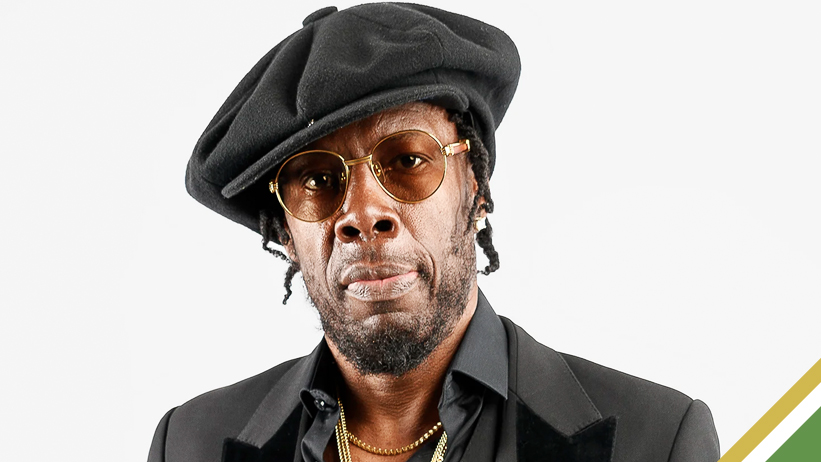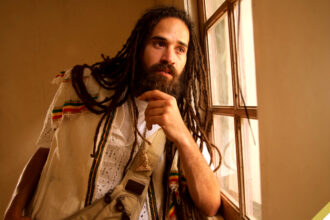

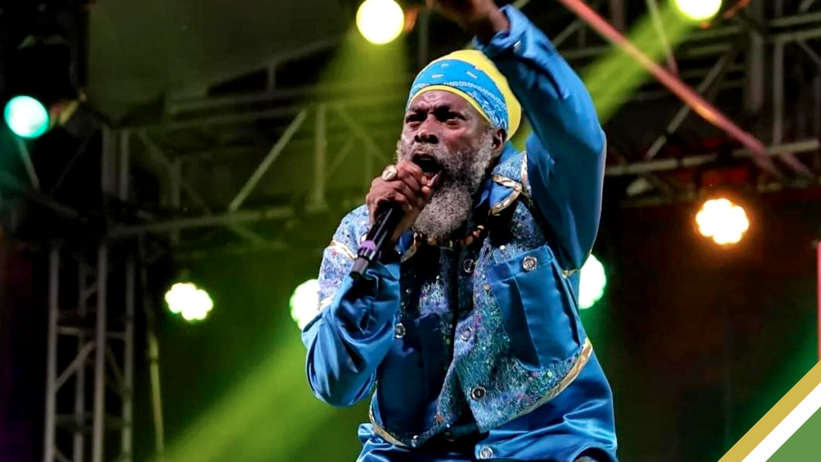




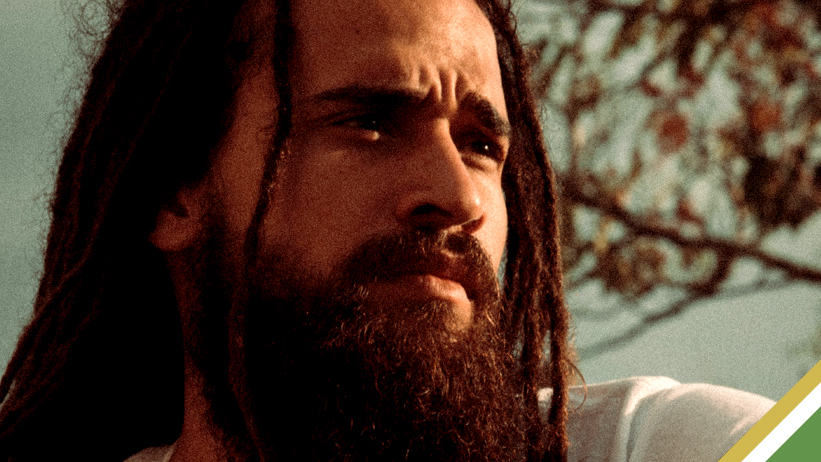

Grammy-winning reggae singer Keznamdi has revisited the struggles he faced growing up in a Rastafari family in Jamaica, revealing that his mother had to make repeated trips to the Ministry of Education to fight for his right to keep his dreadlocks while attending a Catholic school. Speaking during a performance at SOB’s in New York, Keznamdi used the deeply personal experience to reflect on Jamaica’s complicated relationship with Rastafari, arguing that elements of the culture have been embraced while the people and beliefs behind them were not always fully accepted.
“Every September my mother, would have to go down to the Ministry of Education to plead my case to make sure they don’t cut my dreadlocks to go to a Catholic school in Jamaica,” Keznamdi told the audience. He recalled the wider challenges his family faced because of their Rastafari identity, noting that such struggles occurred before dreadlocks became widely embraced as a fashion statement. “Before Rasta was a fashion thing and you can go to a salon, now you have salons, dreadlocks, salons and all kinds of things there,” he said.
Keznamdi also pointed to what he sees as the forward-thinking nature of Rastafari, arguing that the culture embraced ideas long before they became mainstream. “Rastafari is a very futuristic people,” he declared, referencing the longstanding practice of Ital eating and the community’s relationship with cannabis. He also highlighted the Rastafari concept of “I and I”, jokingly connecting it to the later popularity of the word “I” in technology and branding. For Keznamdi, these examples form part of a broader contribution by Rastafari to consciousness and culture.
The singer further argued that Jamaica has sometimes embraced the imagery and ideas associated with Rastafari without fully accepting the people themselves. “Them want use Rastafari, but them no really want accept Rastafari,” he told the crowd. His remarks have placed his own childhood experience within a much larger conversation about Rastafari, Jamaican culture, identity and the historical treatment of dreadlocked students.
Keznamdi’s reflections come as his international profile continues to grow following his Grammy win for BLXXD & FYAH. His comments at SOB’s demonstrate that beyond music, the reggae artiste remains deeply connected to the cultural and spiritual traditions that shaped his upbringing.
View this post on Instagram