







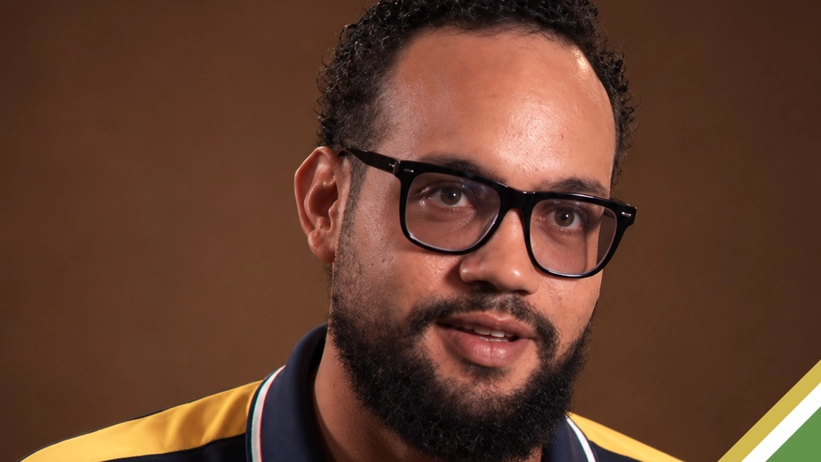

Cars, crime, money and women. These are among the recurring themes being debated as entertainment commentators examine dancehall’s powerful influence on Jamaica’s youth and wider society. During a discussion on Entertainment Report about Vybz Kartel and the state of dancehall, social commentator Reuben “1Clauze” Hussey highlighted the genre’s deep local impact, pointing to fashion, tattoos, bleaching, language and musical preferences as visible expressions of dancehall culture among young Jamaicans. His comments come against the backdrop of a wider conversation about how dancehall’s influence at home compares with reggae’s enduring international reach.
The discussion also turned to the lyrical themes dominating sections of contemporary dancehall. 1Clauze pointed to music centred on crime, materialism, cars, women and street life, arguing that these subjects resonate with parts of the audience and reflect aspects of the wider society. The observation places dancehall at the centre of a familiar but increasingly relevant debate: whether the genre is simply documenting the realities, ambitions and struggles of its audience, or whether its repeated themes can also influence the attitudes and behaviours of young listeners.
The conversation comes as Vybz Kartel continues to command enormous attention more than two decades into his career. His ability to remain culturally relevant through incarceration, his return to international performance and his expansion into major overseas markets have reinforced his position as one of dancehall’s most discussed figures. The programme also examined his evolving legacy, including his international arena shows, his performances alongside Mavado and his reported interest in documentaries, television and a possible biopic.
For 1Clauze, however, the bigger picture extends beyond any one artiste. Dancehall has become a powerful expression of contemporary Jamaican identity, particularly among younger audiences, while reggae remains deeply embedded in Jamaica’s international cultural image. That distinction raises a larger question about the direction of the genre and the messages being amplified through its music.
As dancehall continues to evolve and Jamaican artistes reach increasingly global audiences, the conversation surrounding its cultural influence is unlikely to disappear. The real debate may now be less about whether dancehall shapes Jamaican youth, and more about what kind of influence the next generation of dancehall will leave behind.
View this post on Instagram