



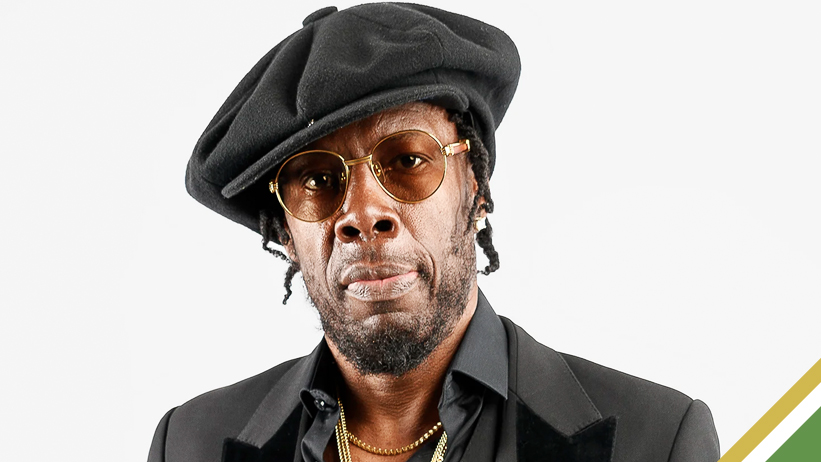




More than three decades after helping to shape the sound of modern dancehall, Shabba Ranks is fighting to reclaim control of his musical legacy. The Jamaican icon, born Rexton Gordon, has filed a lawsuit against the publishing arm of Greensleeves Records over the rights to several of his compositions, including major hits “Mr Loverman”, “Housecall”, “Slow and Sexy” and “Let’s Get It On”, as well as the landmark 1990 track “Dem Bow”.
The legal battle centres on Shabba Ranks’ attempt to exercise copyright termination rights under U.S. law, which can allow authors to reclaim intellectual property decades after transferring ownership. According to the lawsuit, Shabba notified Greensleeves in 2023 that he intended to terminate the publisher’s rights to his compositions. However, the company rejected the move, citing a 1989 publishing agreement which allegedly classified the songs as “works made for hire”.
Shabba is now challenging that position in court. His attorneys argue that the work-for-hire provision should not prevent him from reclaiming his music, stating that the compositions “are not and could not have been works made for hire under the U.S. Copyright Act”. The legal team further contends that Shabba was never an employee of Greensleeves and that musical compositions cannot simply be transformed into works made for hire through an agreement with a non-employee author.
The case also places renewed attention on “Dem Bow”, one of the most culturally significant songs in Shabba Ranks’ catalogue. The track gave its name to the iconic dembow rhythm and is widely associated with the rhythmic foundation that helped influence the development of reggaetón. The song is already connected to a wider and ongoing copyright dispute involving the global Latin music genre, adding another layer of significance to Shabba’s fight over ownership.
Shabba Ranks now joins a growing list of artistes seeking to regain control of music signed away decades ago, as copyright termination becomes one of the music industry’s most closely watched legal battlegrounds. With his catalogue containing some of dancehall’s most influential recordings, the outcome of this case could make Shabba’s fight for his music one to watch far beyond Jamaica.
View this post on Instagram