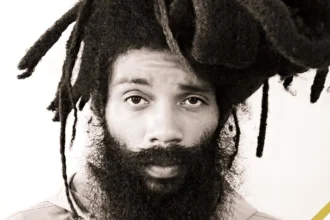









Keznamdi’s latest song, Breadwinner, has ignited conversations across social media, with listeners debating whether its references to questionable hustles promote illicit activities or simply document the realities of economic survival in Jamaica and the wider world. The discussion has drawn particular attention given the singer’s Rastafari background and association with conscious music, with some questioning whether the lyrical content aligns with the principles traditionally associated with his spiritual identity. However, sources close to the artiste say the song is not intended to endorse scamming, but rather to encourage self-reliance, hard work and financial independence, emphasising the responsibility of providing for one’s family.
The debate centres on several lyrical references to hustling, including phrases such as “chop e phone” and “shub e bricks over England”, which some listeners have interpreted as references to questionable or illicit money-making activities. Others argue that Keznamdi is observing practices that exist within sections of Jamaican society and the wider music space, rather than encouraging people to participate in them. The distinction between documenting a social reality and celebrating it has become central to the discussion, particularly in a Jamaican music industry where lyrical content and its potential influence on young audiences remain recurring topics.
Meanwhile, a closer examination of Breadwinner reveals a broader narrative about financial pressure, ambition and family obligations. In the second verse, Keznamdi references the struggle to provide for children, parents and other dependants, while highlighting everyday expenses such as school uniforms, shoes, food and housing. He also references buying land, building a home and reinvesting money generated through streaming. The lyrics further invoke Marcus Garvey’s philosophy of self-reliance, reinforcing the song’s emphasis on economic independence and the importance of taking responsibility for one’s future.
For an artiste whose Rastafari background is closely associated with conscious expression, the conversation also raises questions about the expectations placed on musicians who address difficult social realities. However, mentioning a practice does not automatically amount to endorsing it. According to sources close to Keznamdi, the central message is about working hard, becoming self-sufficient and ensuring that one’s family is properly cared for. Ultimately, Breadwinner has opened up a wider conversation about artistic responsibility, lyrical interpretation and the line between social commentary and glorification in Jamaican music.