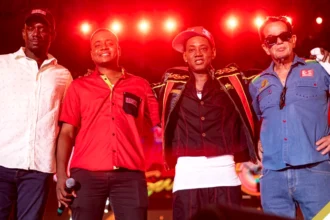



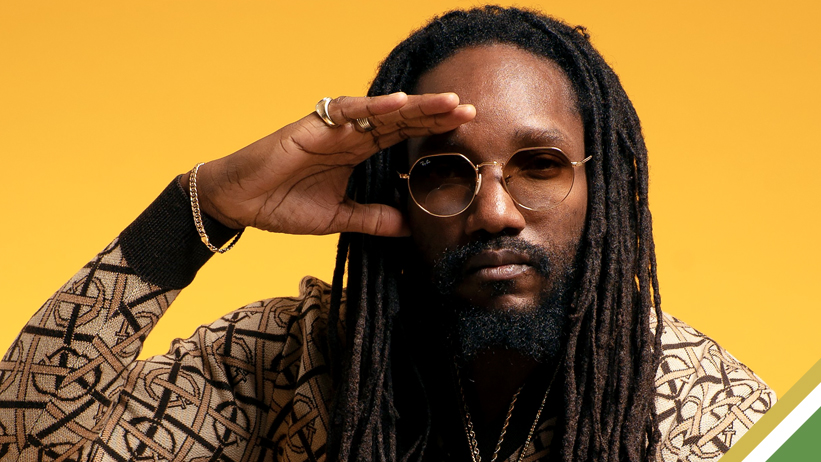
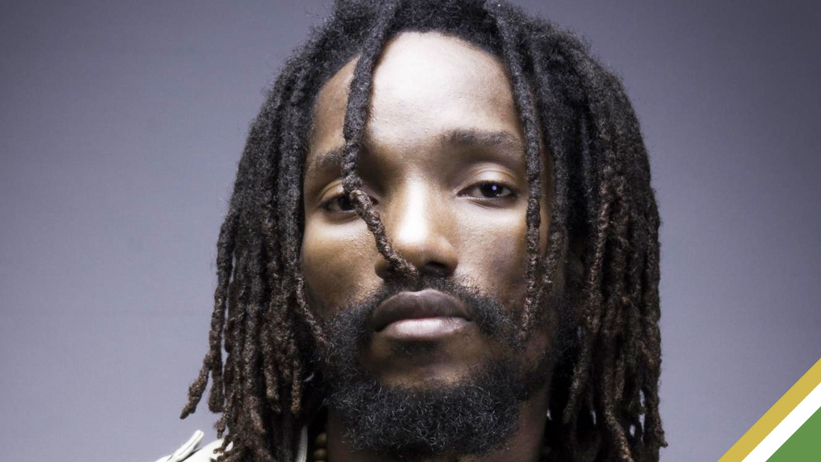


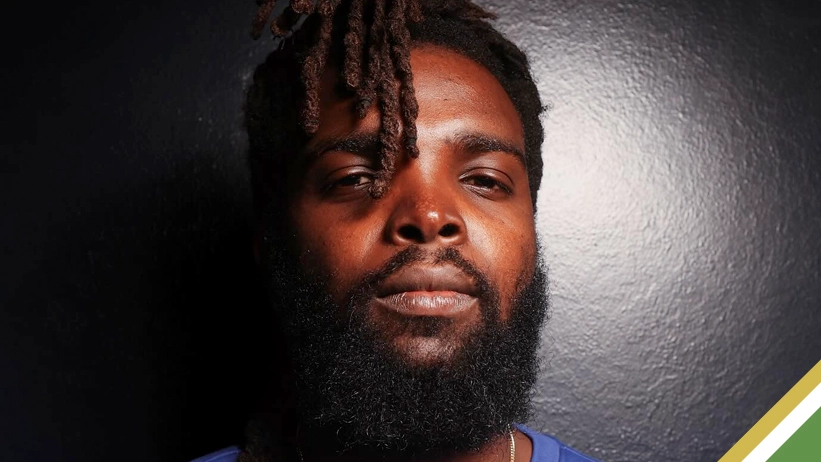

Yaksta has once again found himself at the centre of controversy after a fiery performance at Boom Sundays sparked intense debate across Jamaican social media. The reggae firebrand sent the audience into a frenzy after boldly declaring “Jesus nah come save we” during his set, reigniting conversations about religion, rebellion, and whether modern “fire” music is crossing dangerous lines. Within hours, clips from the performance began circulating online, triggering a flood of reactions from supporters praising his “raw truth” and critics accusing the artiste of disrespecting Christianity and glorifying lawlessness.
The uproar comes amid growing scrutiny surrounding some of Yaksta’s recent lyrical themes, including references critics claim appear to romanticise scamming culture and anti-establishment ideology. While some social media users condemned the entertainer outright, others defended him passionately, arguing that reggae music has always challenged oppressive systems and uncomfortable realities. One supporter wrote, “The message is clear. Jesus nuh come save we fi real. Time for ones and ones to wake up,” while another referenced Bob Marley’s rebellious songwriting to defend Yaksta’s approach. However, not everyone was convinced, with one critic firing back, “Jesus cannot be mocked, he is mocking himself and demons are cheering him on.”
Meanwhile, other users attempted to strike a middle ground, agreeing that Yaksta was provoking important conversations but questioning whether the delivery was too inflammatory. Several pointed out that many victims of fraud and scamming are ordinary Black Jamaicans, not wealthy oppressors, while others argued that the artiste’s comments were designed to force uncomfortable national discussions about colonialism, religion, poverty, and societal frustration. The polarising reactions have only amplified Yaksta’s visibility online, turning the moment into one of the most talked-about entertainment controversies in Jamaica this week.
As debates continue to rage across platforms, the incident once again highlights dancehall and reggae’s complicated relationship with protest, spirituality, and shock value. Whether viewed as a fearless truth-teller or a reckless provocateur, Yaksta has undeniably succeeded in commanding the attention of both supporters and critics alike — proving once more that controversy remains one of the most powerful drivers of conversation in Caribbean music culture.
View this post on Instagram