


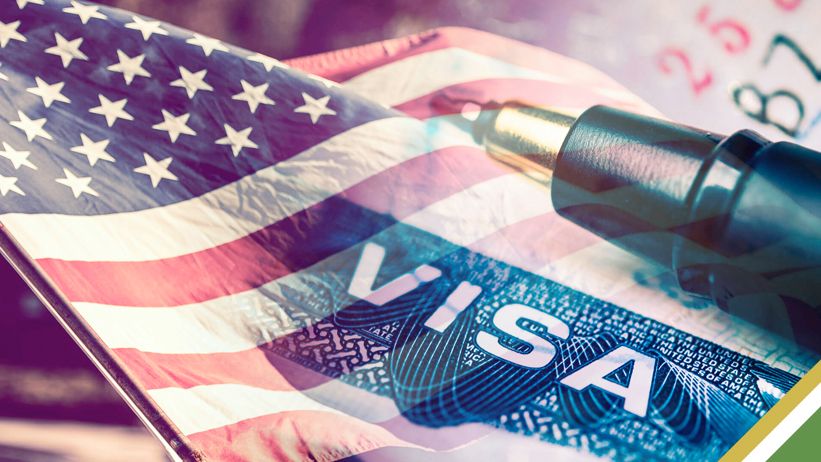
Caribbean creatives eyeing the U.S. stage could soon find themselves priced out of the market. In a stunning policy shift with sweeping consequences for the region’s creative economy, President Donald Trump signed the controversial “One Big Beautiful Bill” into law on July 4, ushering in the most expensive immigration regime in modern American history. With work permit fees now set at U$550 every six months, plus a $1,000 entry fee for parole or asylum and a U$250 “visa integrity fee” on top of the standard U$185 visa application, the cost of pursuing performance opportunities, tours, or collaborations in the U.S. just skyrocketed—especially for independent or emerging artists.
For entertainment professionals—from dancehall DJs and reggae musicians to models, actors, dancers, and film crews—these new financial hurdles threaten to stifle transnational careers. “This bill effectively puts a price tag on opportunity,” said one Kingston-based talent manager who asked not to be named. “Independent artists already struggle to get visas approved on time. Now they must worry if they can even afford to apply.” The six-month renewal mandate on work permits is especially burdensome for artists whose U.S. engagements are seasonal or based on short-term bookings, as they’ll be forced to continuously reapply and pay each time.
Beyond individuals, the bill could disrupt the entire Caribbean-to-U.S. entertainment pipeline. Promoters organising festivals, cultural showcases, and international tours may face sudden cancellations or increased expenses. “If you’re planning a Caribbean music festival in Florida or New York next spring, good luck,” the manager added. “The upfront costs for bringing in five or ten performers from Jamaica or Trinidad just doubled or tripled. That’s a killer for small promoters.”
The bill, which allocates U$170 billion in new spending for immigration enforcement—including U$46.6 billion for Trump’s border wall and U$8 billion to hire 10,000 new ICE officers—seeks to offset costs by generating revenue from application fees. According to immigrant advocacy groups, it’s the first time in U.S. history that asylum seekers and work permit applicants are being charged such steep, non-refundable fees, a move they’ve described as “inhumane” and “punitive.” The Congressional Budget Office estimates the bill will add U$3.3 trillion to the national deficit over the next decade.
As the entertainment world processes the implications, many fear the bill will further marginalise Caribbean voices from global stages. For decades, U.S. exposure has been a vital launching pad for regional talent, from Shaggy to Koffee. But with new visa-related costs rising and complex penalties tied to appeals, renewals, and unused visas, the very system that once supported artistic ambition is becoming a pay-to-play battlefield. Caribbean artists and cultural ambassadors may now find themselves forced to either pivot to Europe and Africa—or stay home altogether.
Caribbean Americans sponsoring family members or assisting relatives with the immigration process should be aware of several new and increased fees related to asylum applications and immigration court proceedings.
-
U$1,000 fee to apply for asylum or enter the U.S. on parole
-
U$500 to apply for Temporary Protected Status (TPS)
-
U$550 for a work permit application—required for both asylum seekers and parolees
-
U$100/year fee while asylum applications are pending
-
U$1,500 fee to adjust status to lawful permanent residency
-
U$1,500 to apply for a green card in immigration court
-
U$900 to appeal a judge’s decision or file motions to reopen a case