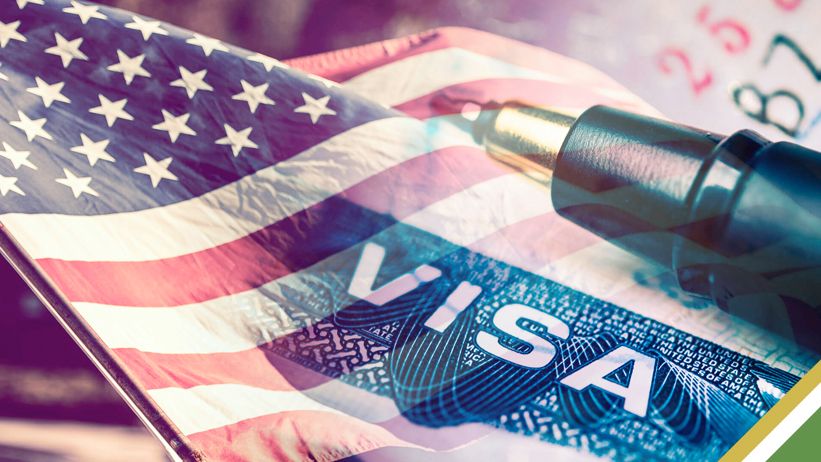




Applicants of U.S. student visas are now required to make their social media accounts public for official vetting — a move that has sparked concerns and anxiety across the Caribbean, where thousands of young people dream of studying in America each year. The U.S. State Department confirmed last week that all F, M, and J visa applicants — including academic, vocational, and exchange students — must now unlock their digital lives to immigration officers as part of a broader national security screening process. The announcement has sent ripples through the region, with many fearing their online expressions could now jeopardise their academic futures.
This unprecedented step is being seen by critics as invasive and potentially discriminatory. Gregory Nojeim, director at the Center for Democracy & Technology, raised a provocative point: “Imagine the reaction if a foreign government told American students, ‘You can’t study here unless you make your social media public.’ People would be outraged.” From Kingston to Port of Spain, similar sentiments are surfacing — particularly among students active on platforms like X, Instagram, and TikTok, where political and cultural opinions are often freely shared.
Digital privacy advocates warn the policy could discourage Caribbean students from pursuing U.S. education altogether. The Electronic Frontier Foundation’s Sophia Cope described it bluntly: “Government social media surveillance invades privacy and chills freedom of speech.” For Caribbean youth navigating complex political, racial, and social issues at home, the new policy may pressure them to self-censor or delete posts entirely — or risk being denied a visa.
Adding to the tension is the irony that, just a day after introducing this rule, the State Department vowed to sanction foreign officials who suppress free speech online — a contradiction not lost on regional observers. With over US$43 billion in economic value attributed to international students in the U.S. during the 2023–24 academic year, critics argue this policy could drive Caribbean talent to countries with less intrusive immigration practices, such as Canada or the UK.