






Several artistes, disc jocks, and key industry players are pushing back hard against the Jamaica Music Society’s (JAMMS) latest move to tighten copyright enforcement across the island. Earlier this week, JAMMS issued a stern warning to event promoters: no copyright permit, no party—a stance that promises a 100 percent copyright clampdown on unlicensed events within the next six months. But what was intended as a step toward protecting intellectual property rights has instead sparked outrage among members of Jamaica’s vibrant entertainment community, many of whom are questioning the organisation’s motives and transparency.
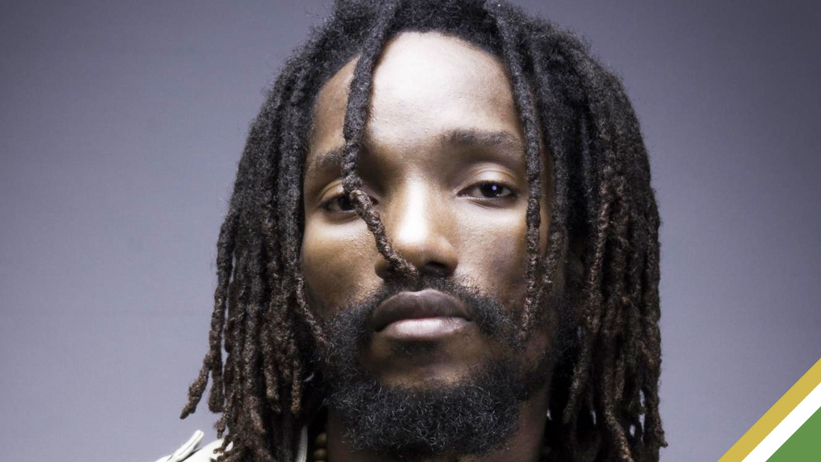
Reggae icon Buju Banton didn’t mince words, demanding accountability from JAMMS for the funds it has collected over the years. “Where is all the money unu collected over the years? What have u people done with it?” he blasted. “I can’t recall one single entertainer who was compensated as a result of his or her music being played at any event.” Buju also questioned the government’s promises to support the industry with infrastructure, stating, “Where is the venue this crooked government promise? No money but u can have a fat shot.”

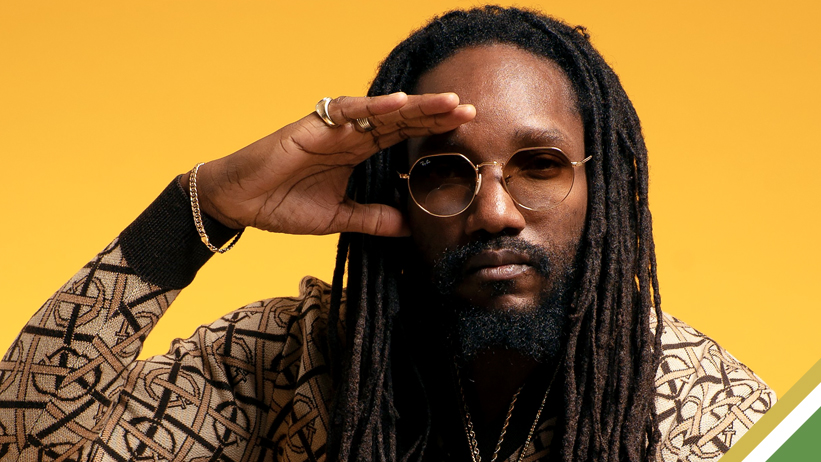
Dancehall star Spragga Benz echoed similar concerns, suggesting the crackdown is less about protecting artists and more about control. “I doubt this is for artist protection… the system hate to see ghetto people find an outlet that they can’t steal tax or manipulate,” he argued. Spragga went so far as to publicly grant every Jamaican sound system permission to play his music royalty-free, bypassing JAMMS entirely.

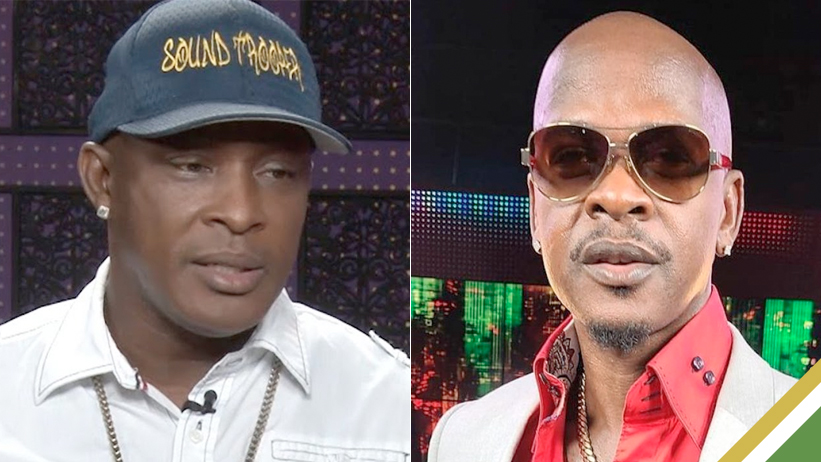
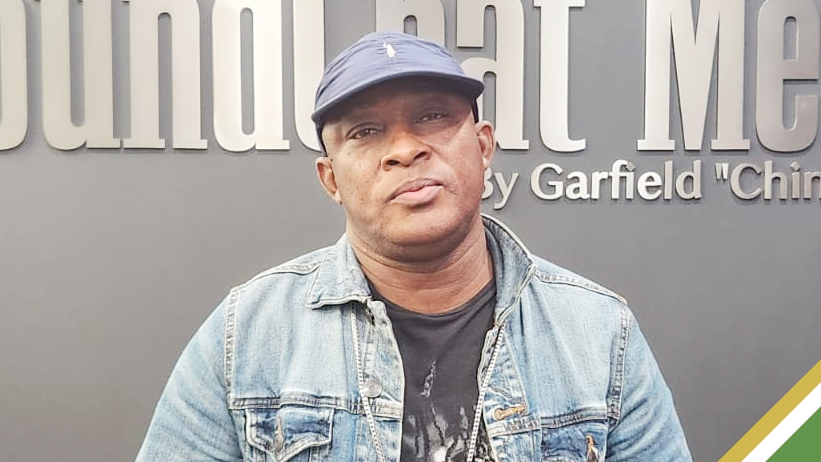
Sound system legend Ricky Trooper and recording artist Bascom X also joined the chorus of criticism. Trooper accused JAMMS of further stifling the dancehall scene, already weakened by government restrictions. “A how much more money dem want to rob from poor people and the industry? Dem done a kill dance and party… and dem robbers yah still want more,” he fumed. Meanwhile, Bascom X questioned why, despite frequent airplay, he—and many of his peers—have never received payouts: “Them a collect for copyrights and I have never gotten a check… if u ask a next artist is the same thing him a go say.”

As JAMMS insists on 100% compliance for event permits, the growing backlash from artistes and selectors raises deeper questions about who truly benefits from Jamaica’s copyright system—and whether its enforcement serves creators or corporate interests.