







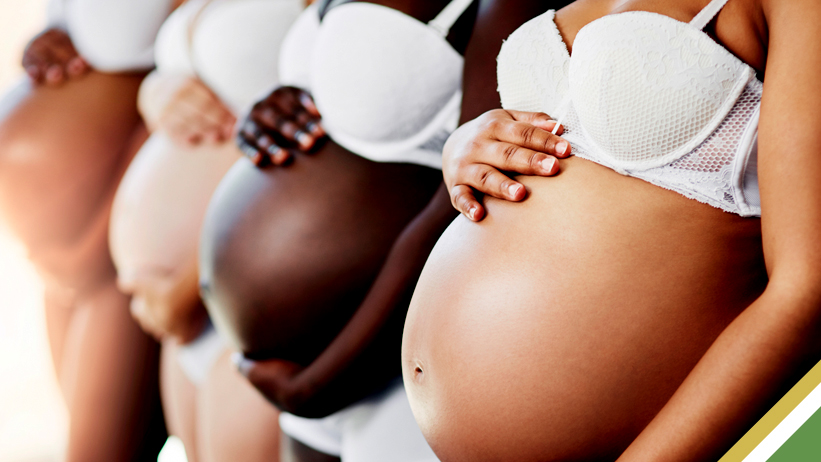

Nearly 6,000 Jamaican schoolgirls become pregnant each year — a sobering reality now fuelling renewed calls to raise the country’s age of consent to 18. The proposal, championed by Opposition spokesman Damion Crawford, has ignited a national conversation around youth, education, and the long-term social impact of early sexual activity.
At the centre of the debate is a troubling link between teenage pregnancy and school dropout rates. Reports indicate that close to half of girls who leave the education system do so because of pregnancy, a trend that continues to affect communities across the island. Advocates argue that raising the age of consent could act as a protective measure, helping to curb early exposure and keep more young women in school. However, critics caution that legislation alone may not address the deeper socio-economic issues driving the crisis.
The conversation has also introduced legal complexities, including discussions around “close-in-age” exemptions designed to prevent the criminalisation of consensual relationships between teenagers. Meanwhile, educators and social commentators are calling for broader interventions, from improved sexual health education to stronger family and community support systems.
As the debate unfolds, the issue continues to resonate beyond policy circles, striking at the heart of Jamaica’s youth culture and future workforce. Whether the proposed reform gains traction or not, it signals a growing urgency to confront the realities facing the nation’s young people — and the consequences of inaction.
View this post on Instagram